I had the wooden house bed in the cart. The cute one. The one with the little roof shape and the clean photos where the child is somehow not using it as a climbing frame.
I almost bought it. Then I pictured my toddler at forehead height with a hard corner, and the whole idea started to unravel.
The search got serious
At first, the wooden bed made sense. It looked good, it matched the room, and it had that Montessori adjacent feeling I liked.
Then I started reading the details and imagining daily life.
Hard edges at head height. Exposed screws and slats. A frame that looked less like a bed and more like a ladder to a child who climbs everything. A structure that might be beautiful in the morning and a worry at 2am.
That was the moment I stopped shopping by photo and started shopping by what my child would actually do with it.
The bed I actually needed
The wish list changed quickly. I still wanted the room to look nice, but I wanted softness more than the look of wood.
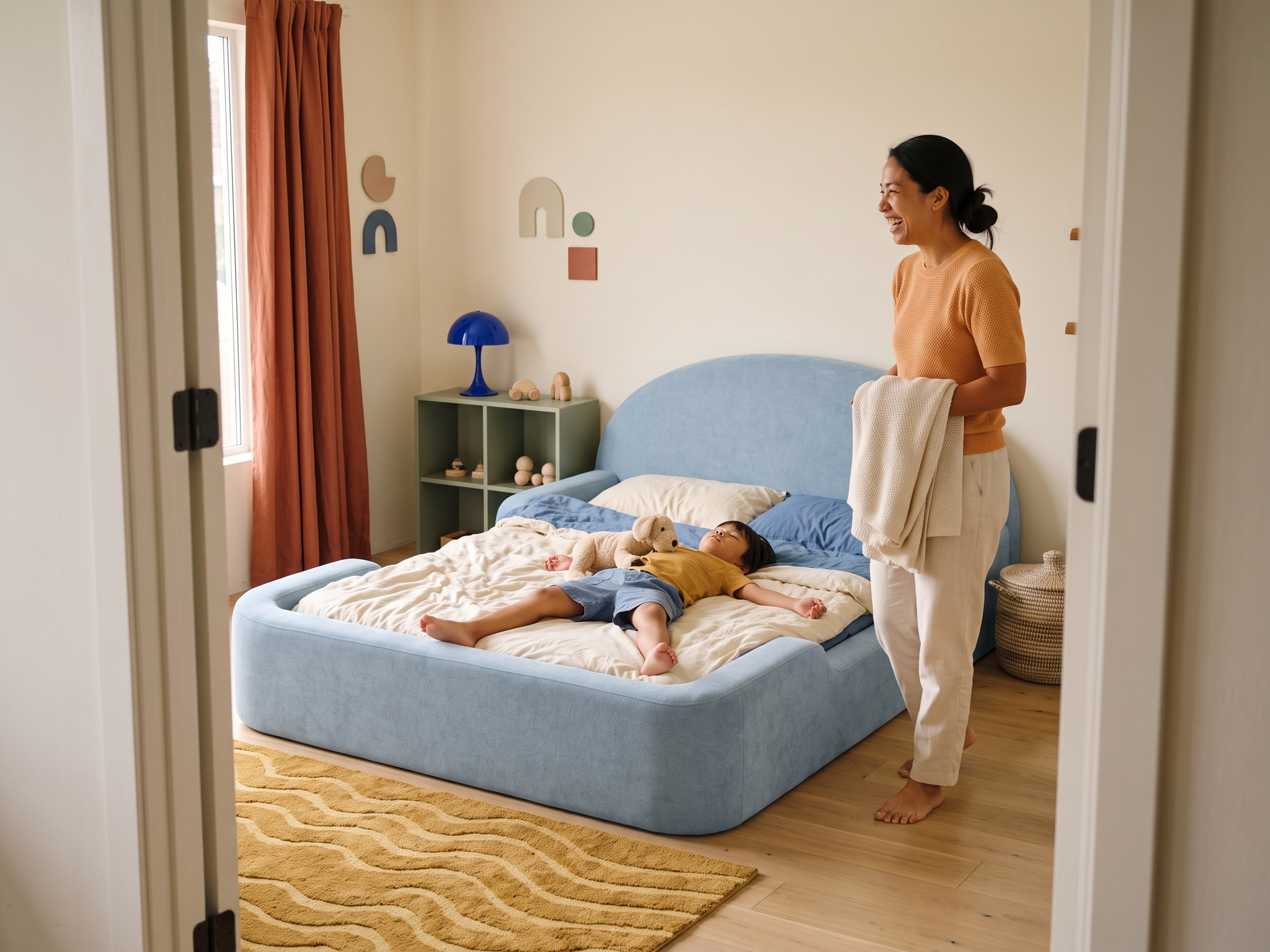
I wanted no hard rails. No visible hardware. Nothing that invited climbing. Nothing that needed extra bumpers before I could relax.
And I still wanted it to feel like a big kid bed, not a padded mat on the floor.
My four non negotiables
- Soft mattered more than hard, because he moves like a pinball when he is tired.
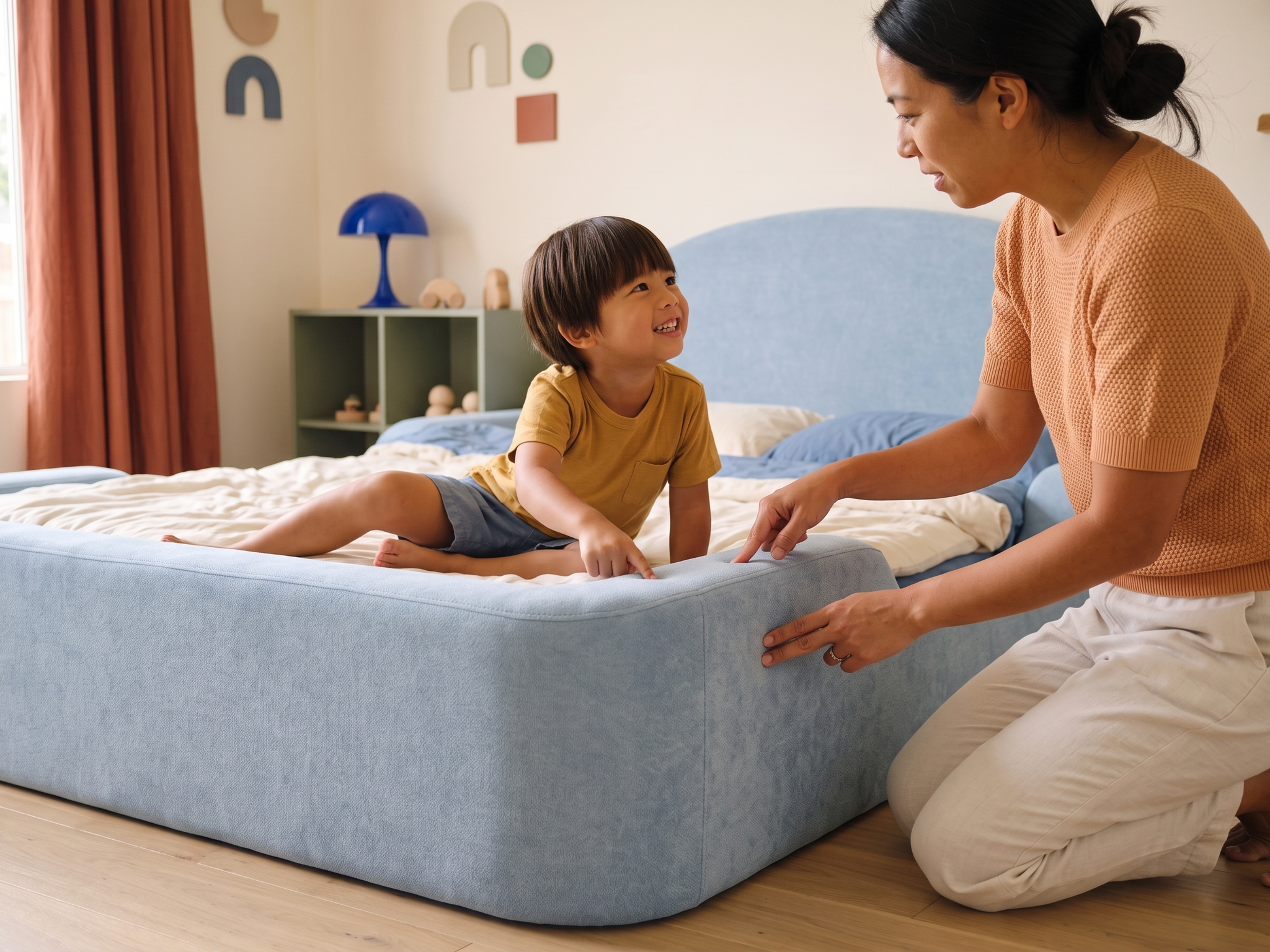
- No hardware near sleep space, because I did not want screws or slats in the back of my mind.
- Nothing that looked like a climbing gym, because he would absolutely accept the invitation.
- Still nice enough for the room, because I did not want safety to mean ugly.
The softer option I found
That is when I found the Little Lifely Bed. It had the low, room friendly look I liked, but without the wooden frame.
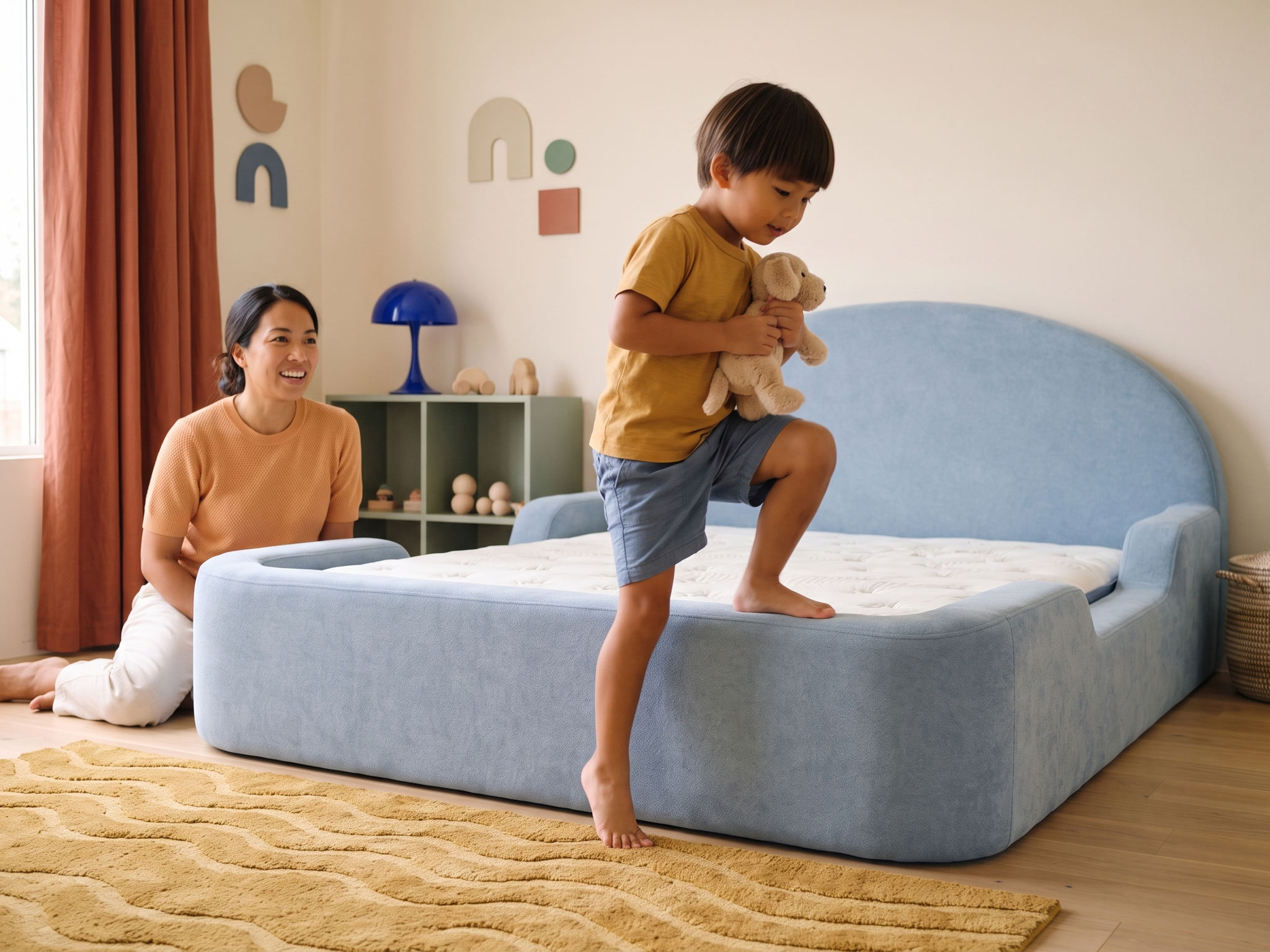
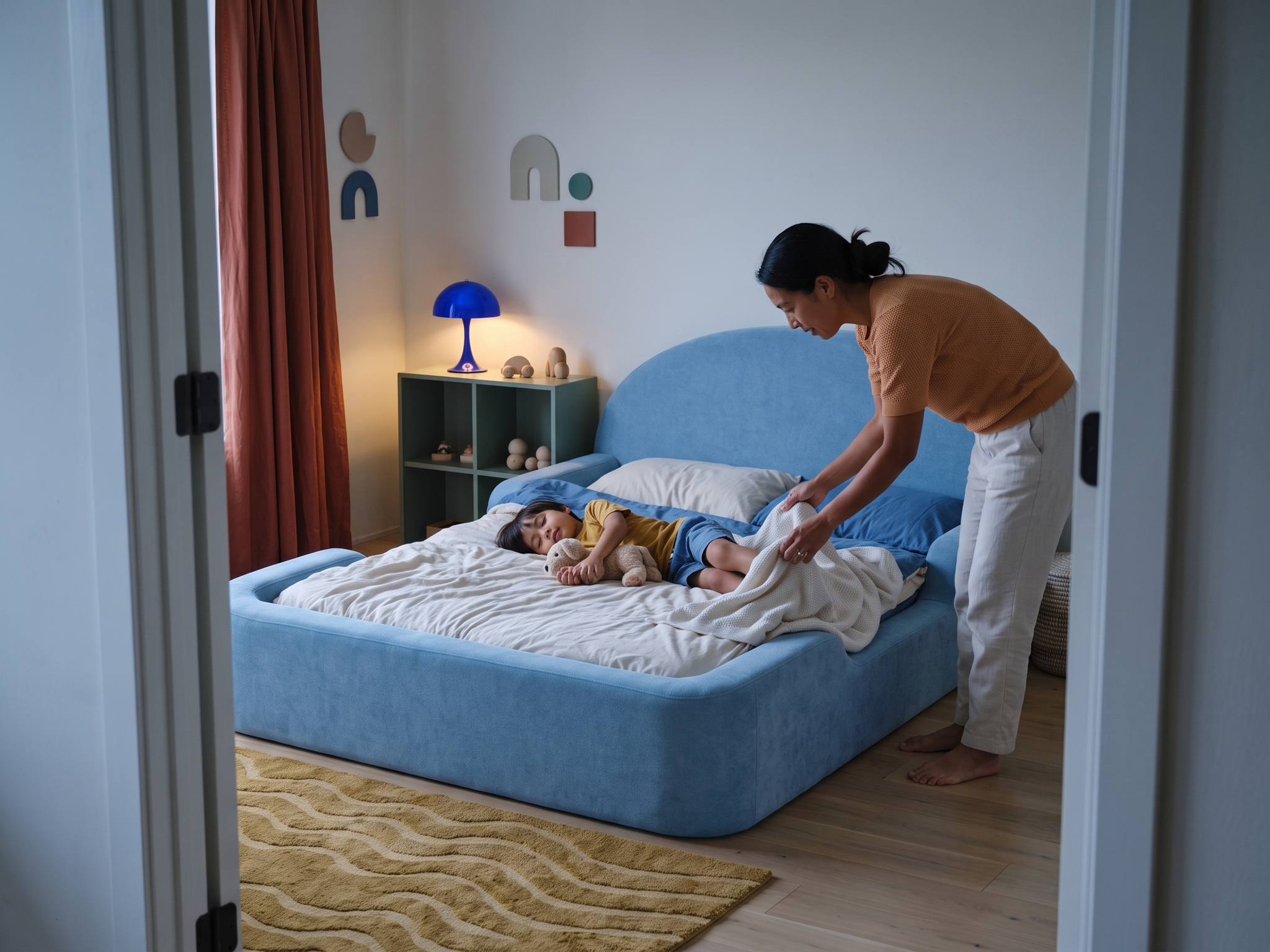
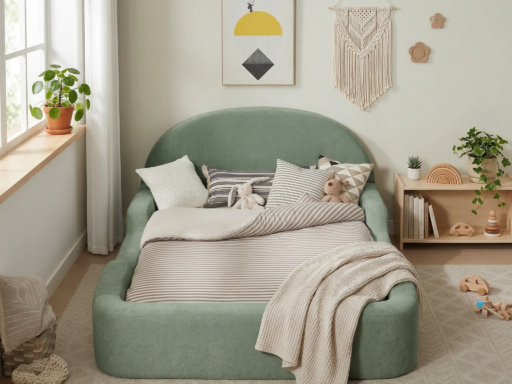
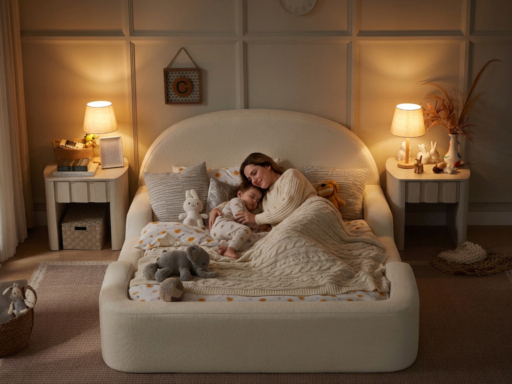
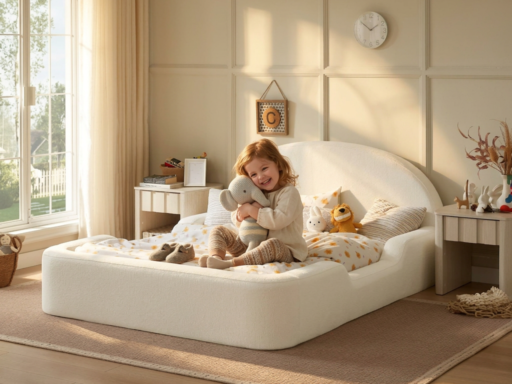
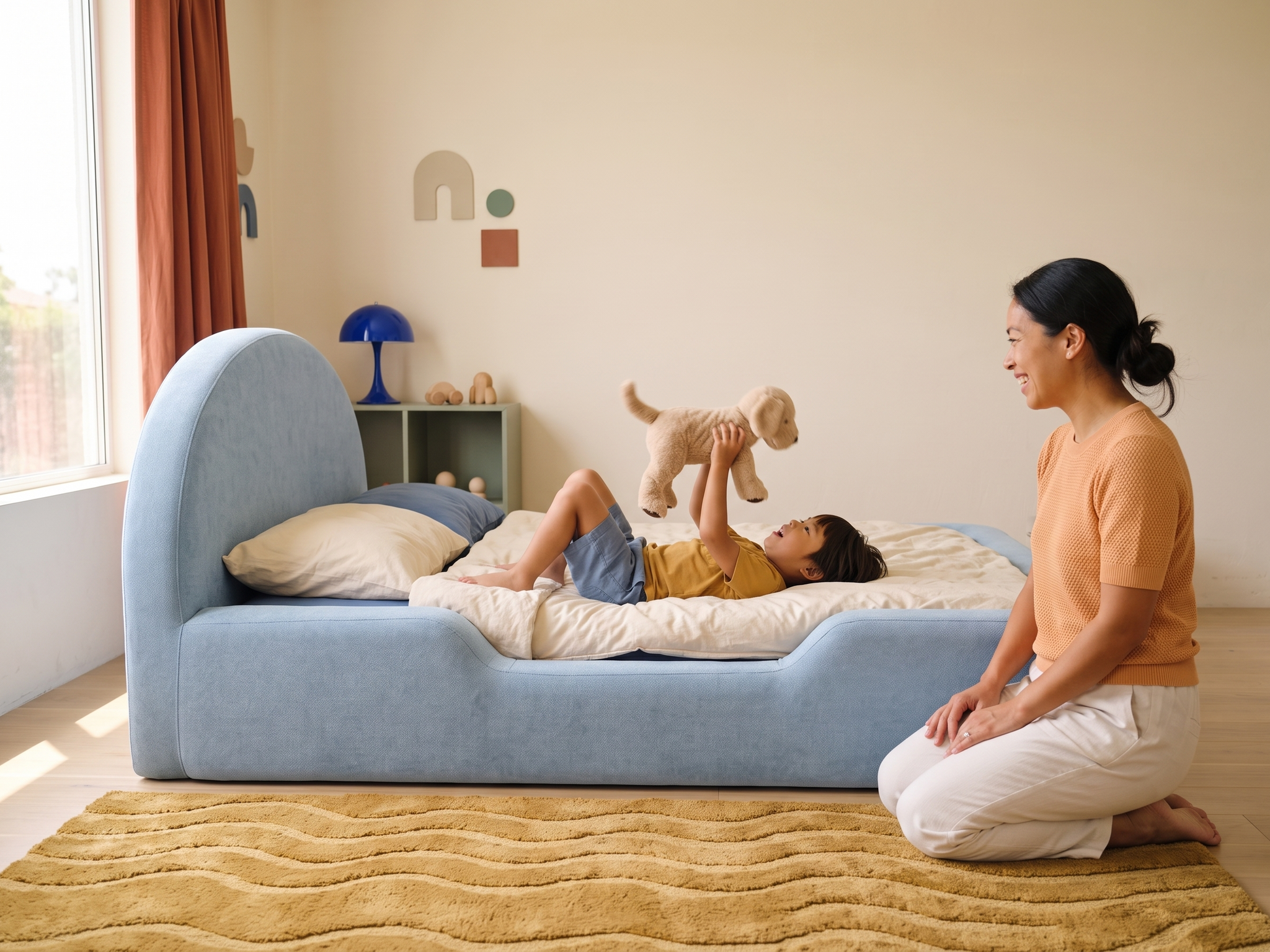
The sides were padded. The shape was rounded. The whole thing looked softer before I even read the details.
But I was still skeptical. Would a foam bed feel like real furniture, or would it feel too temporary?
The reveal was quieter
This piece was not won by a big unboxing moment. It was won by what was missing.
No hard rail beside his head. No exposed corner near the pillow. No little screws I would check every week. No frame that made me say, “Please don’t climb that,” before he had even tried.
When he climbed in, he looked proud. When he rolled into the side, the side just absorbed it. There was no clack of wood, no sharp little moment where I winced before he reacted.
That was enough for me.
I also realized how much of my wooden bed hesitation had been quiet background stress. I was not worried every second, but I kept picturing the same little scenes. A sleepy stumble. A forehead on the rail. A screw I forgot to check.
With the soft bed, those pictures changed. I still watched him, of course. But I was not mentally padding every edge of the room before bedtime.
What changed after that
I stopped comparing it to the wooden bed in my cart. It was not trying to be the same thing. That made the decision feel easier than I expected.
It was a better fit for this stage. He could have a big kid bed without me rushing him into hard furniture before he was ready. That felt like the middle step I had been trying to name.
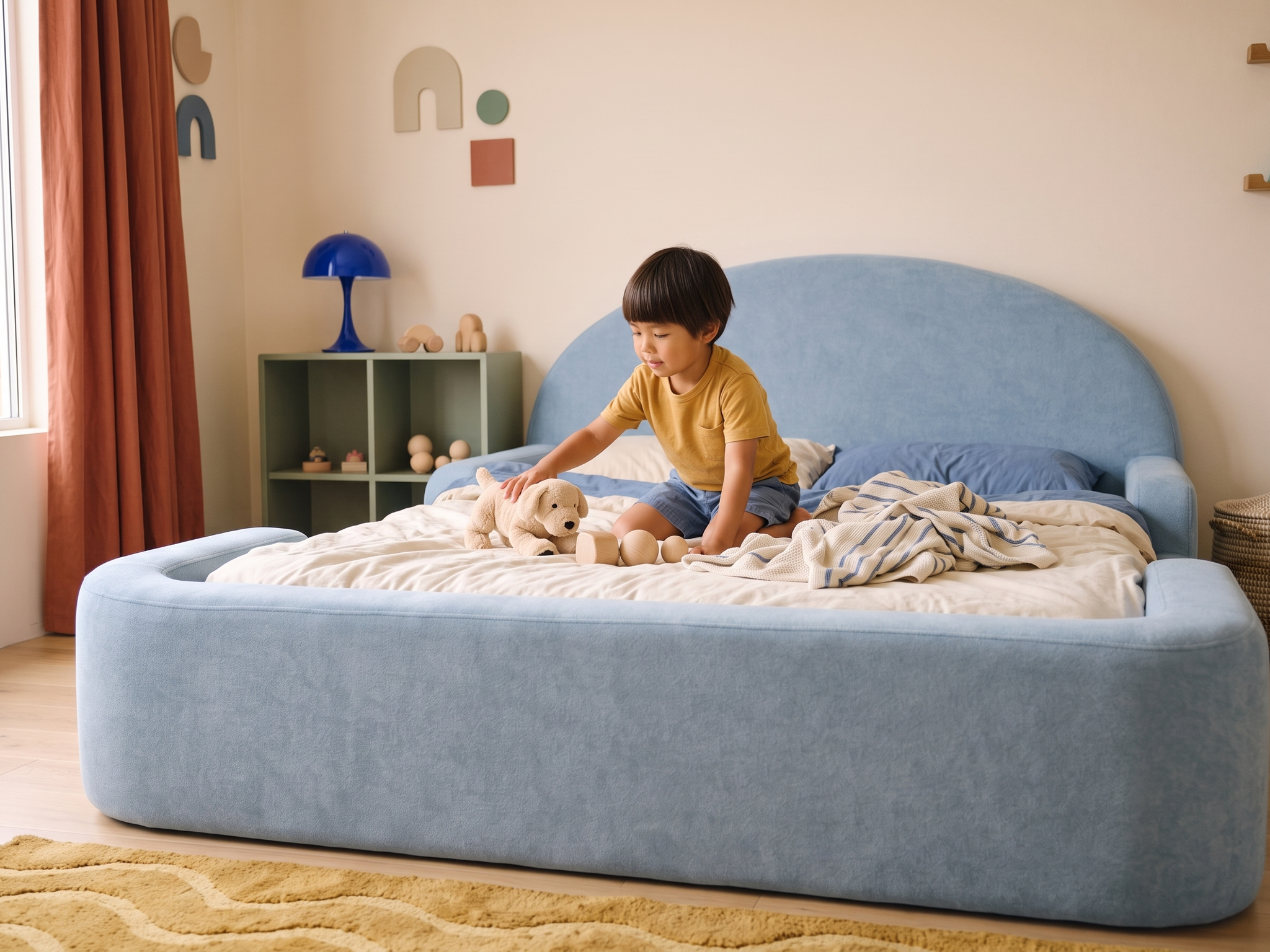
My partner, who liked the wooden bed at first, changed his mind after watching our son flop sideways into the padded edge and keep talking like nothing had happened.
That little moment sold it.
Why it worked for us
- Soft beat hard. The first time he rolled into the side, I was grateful it was padding and not wood.
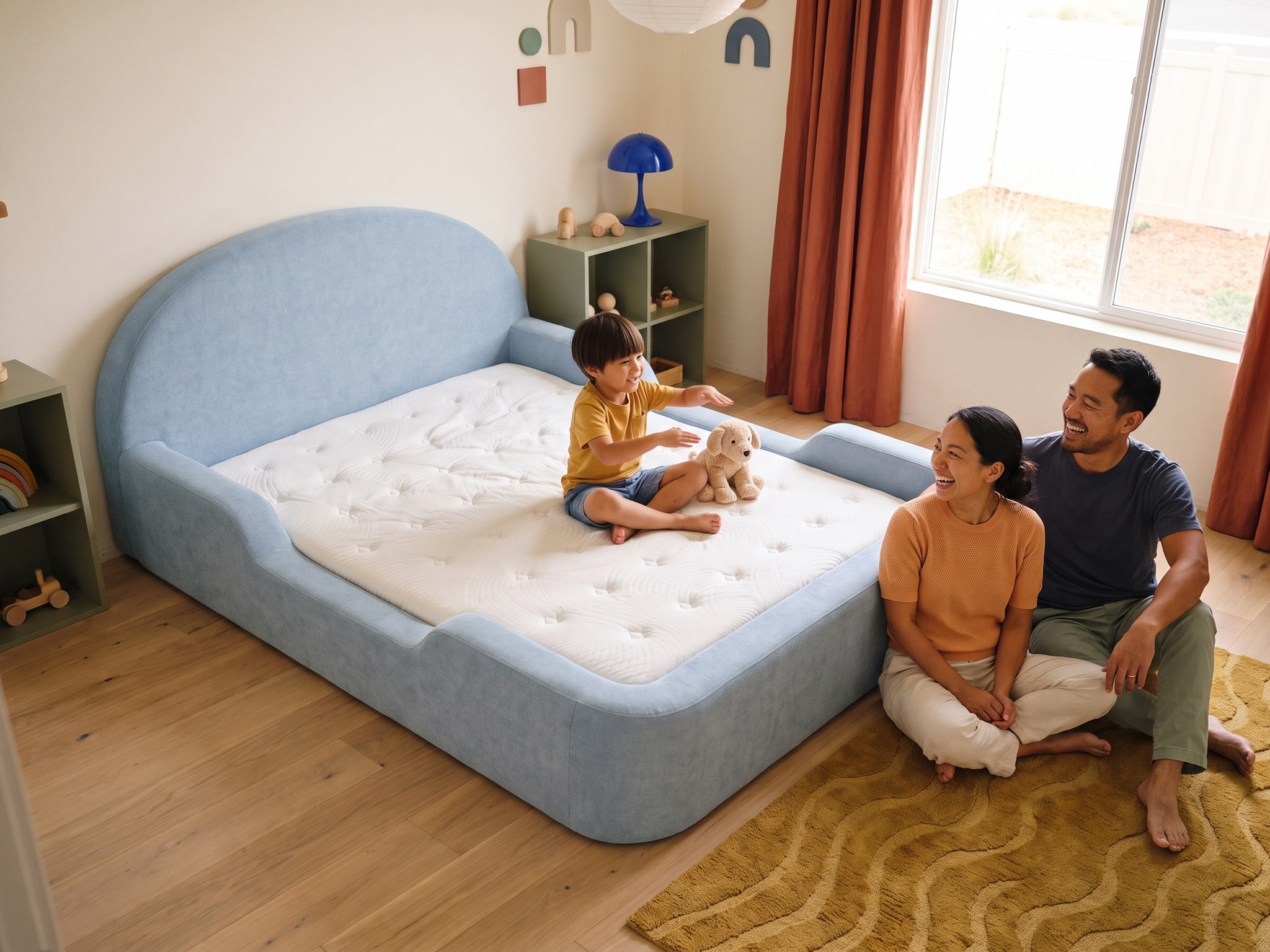
- No hardware meant less mental noise. I was not checking screws, slats, or corners every night.
- It did not invite climbing. The low rounded shape felt like a bed, not a structure to conquer.
- It still looked beautiful. The room kept the calm look I wanted, just without the hard frame.
Should you get it
If you have a wooden toddler bed sitting in your cart and a tiny voice asking about the corners, listen to it.
The Little Lifely Bed gave us the look of a real first bed with the softness I actually needed.
For my active toddler, skipping wood was not overthinking. It was the reason I finally felt calm about the move.