The guilt was the hardest part. Not the broken sleep, although that was rough. Not the tiny knees in my ribs at 3am either.
It was the feeling that moving him into his own bed meant I was suddenly choosing distance. I wanted my bed back, but I did not want him to feel like I had disappeared.
The balance I wanted
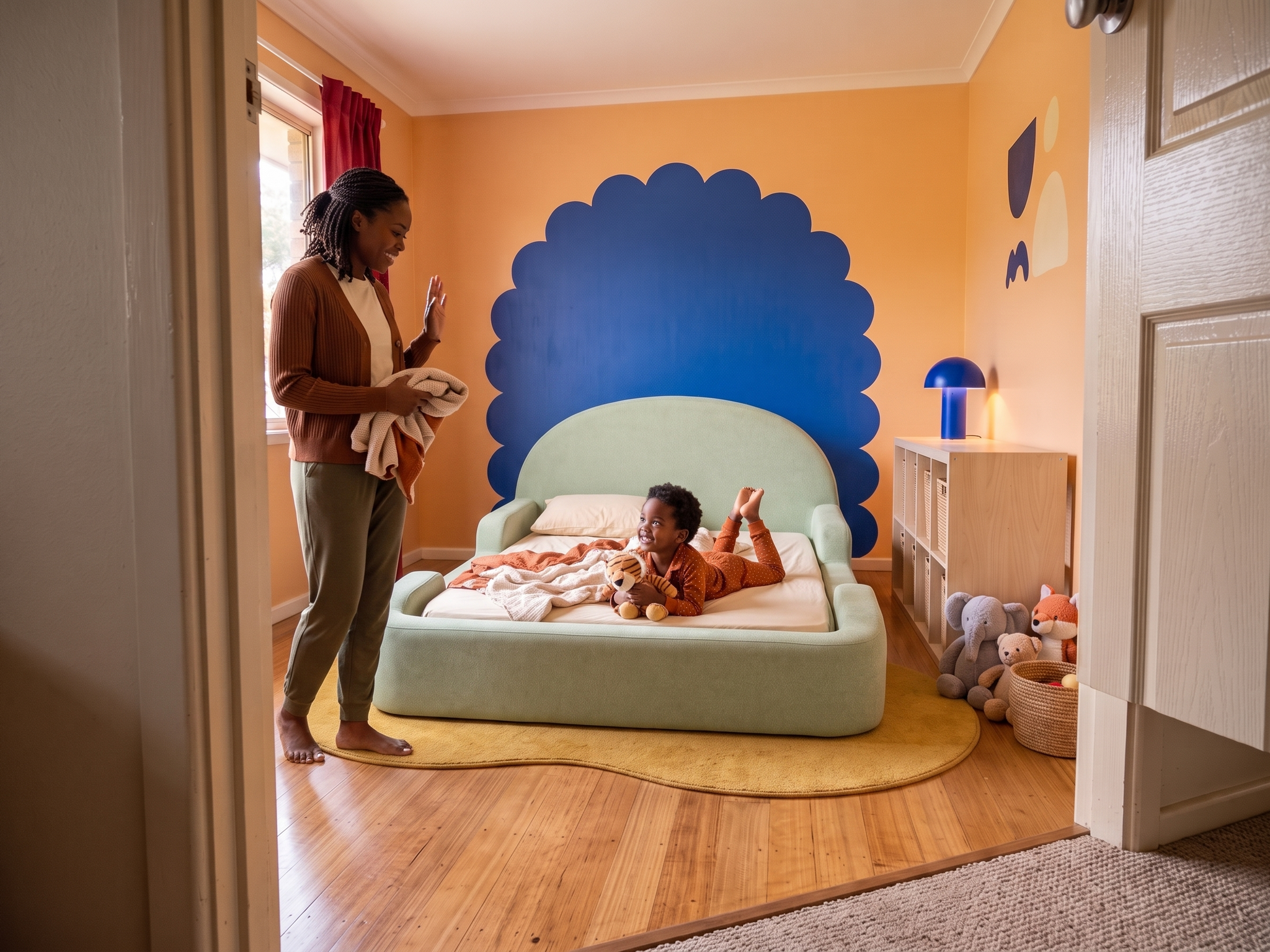
I wanted independence for both of us. I wanted him to have a bed that felt like his, and I wanted to sleep without balancing on the last six inches of my own mattress.
But I still wanted closeness on demand. If he was sick, scared, or just having one of those nights, I wanted to be able to stay near him without dragging everyone back into my room.
That was the dream. His space, my space, and a soft bridge between the two.
My four non negotiables
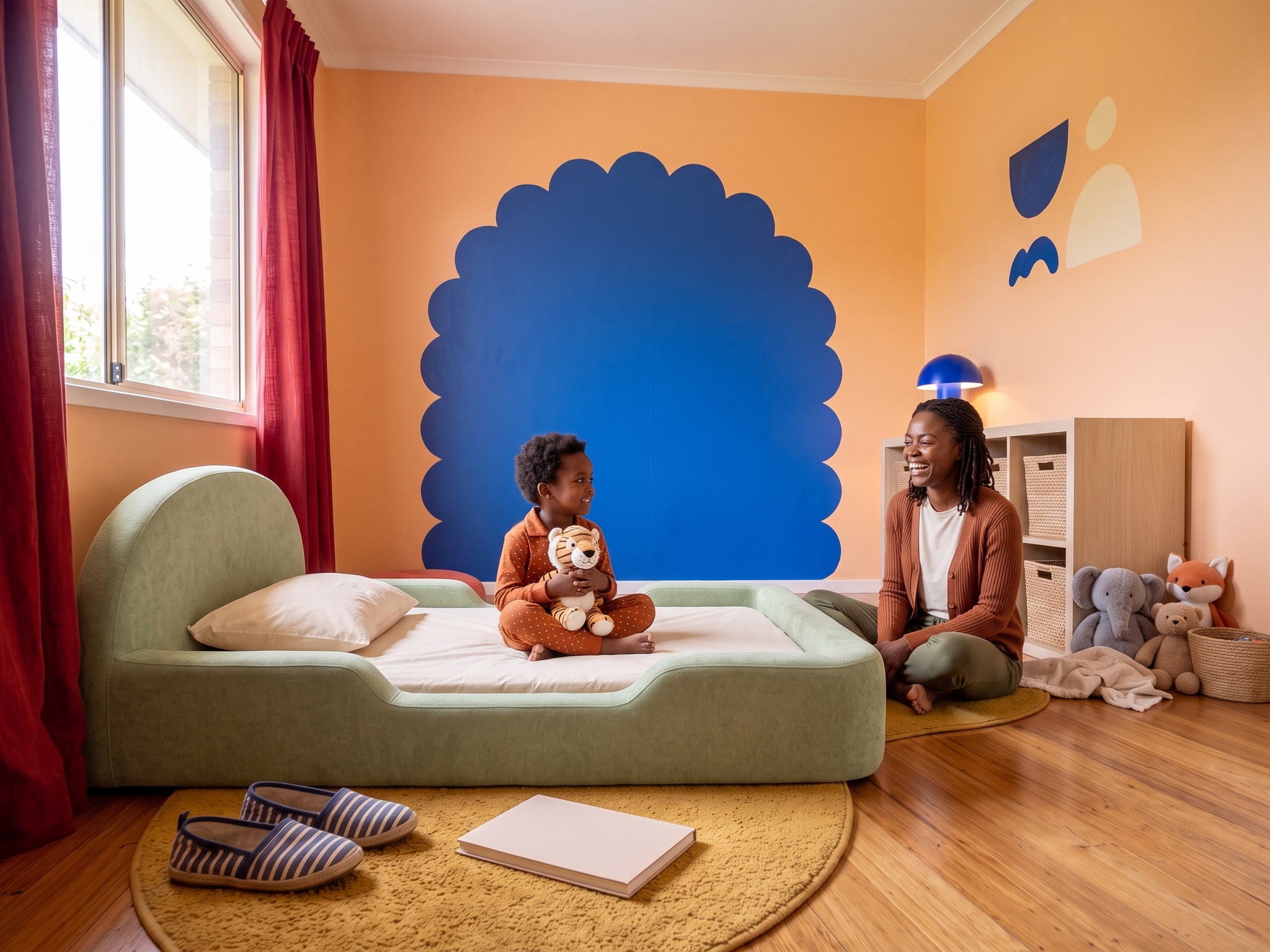
- Big enough for me to lie beside him, because hard nights do not happen from a chair.
- Cozy, not clinical, because I did not want his new bed to feel like a sleep training tool.
- Gradual transition, not cold turkey, because he still needed me sometimes.
- Comfortable for a parent too, because I knew I would be the one lying there at midnight.
The search got frustrating
Most toddler beds are built for toddlers. Fair enough. But where was I supposed to fit during the hard nights?
I looked at low beds, floor beds, and cute wooden frames. They were fine for a child sleeping alone. They were not fine for a parent trying to lie beside a toddler without one hip on the floor.
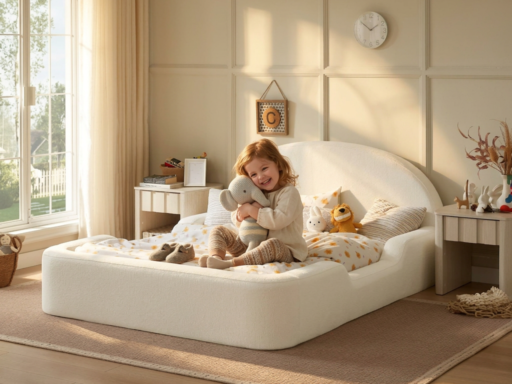
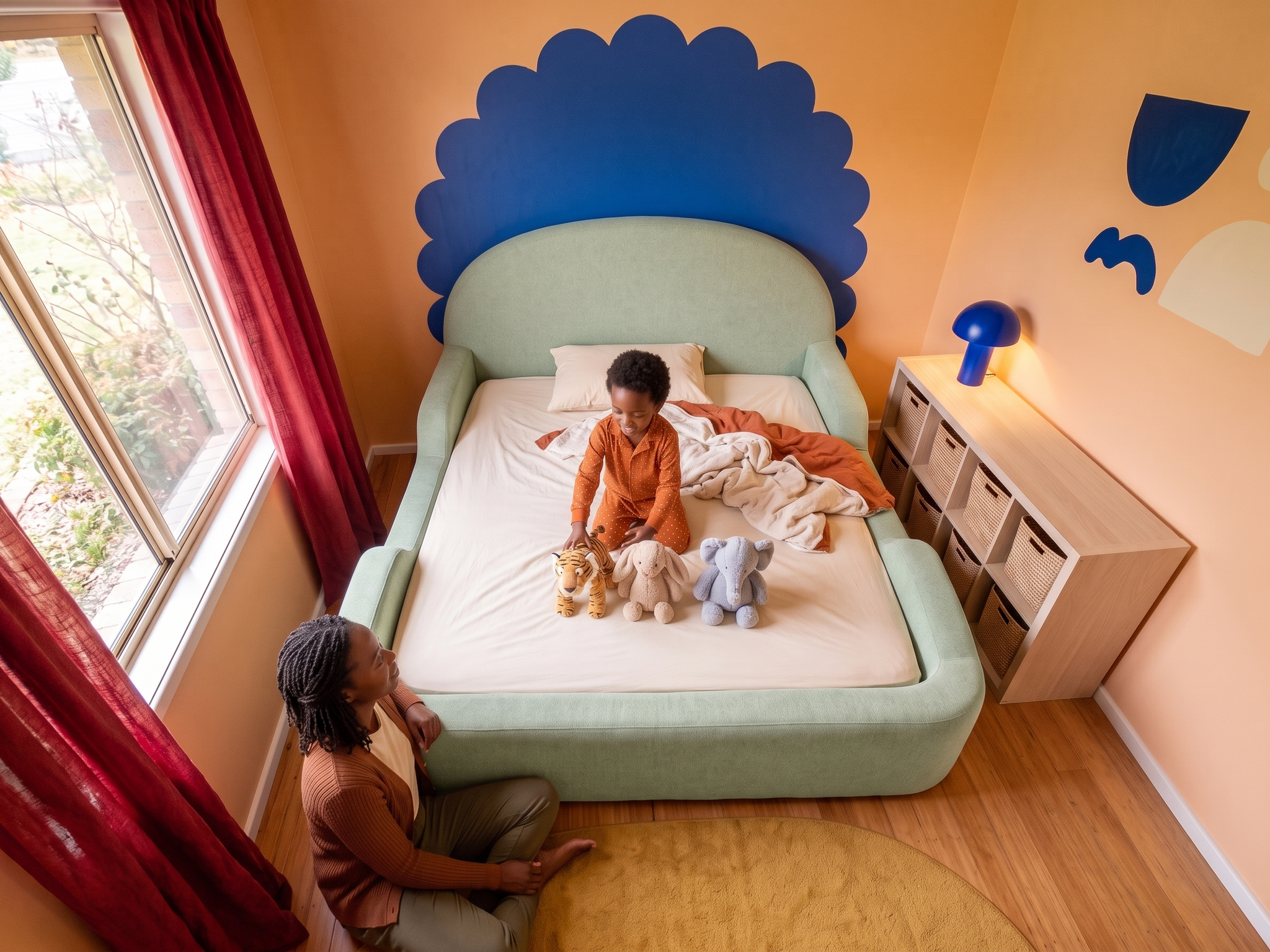
That is when I found the Little Lifely Bed. The larger size was what caught me first. Then I noticed the soft sides, the low frame, and the way it looked more like a cozy little room inside the room.
But as with anything that looks good online, I was skeptical. Would it really help, or would he just crawl straight back into our bed?
The first rough night
The first few nights were not dramatic. He liked the bed, which helped. He climbed in, lined up his animals, and looked pretty pleased with himself.
Then came the real test. A wake up around midnight, big tears, the kind where logic does not stand a chance.
Instead of bringing him to our bed, I climbed into his. I lay beside him in his room, my arm around him, his cheek pressed into the soft side. He settled in a few minutes.
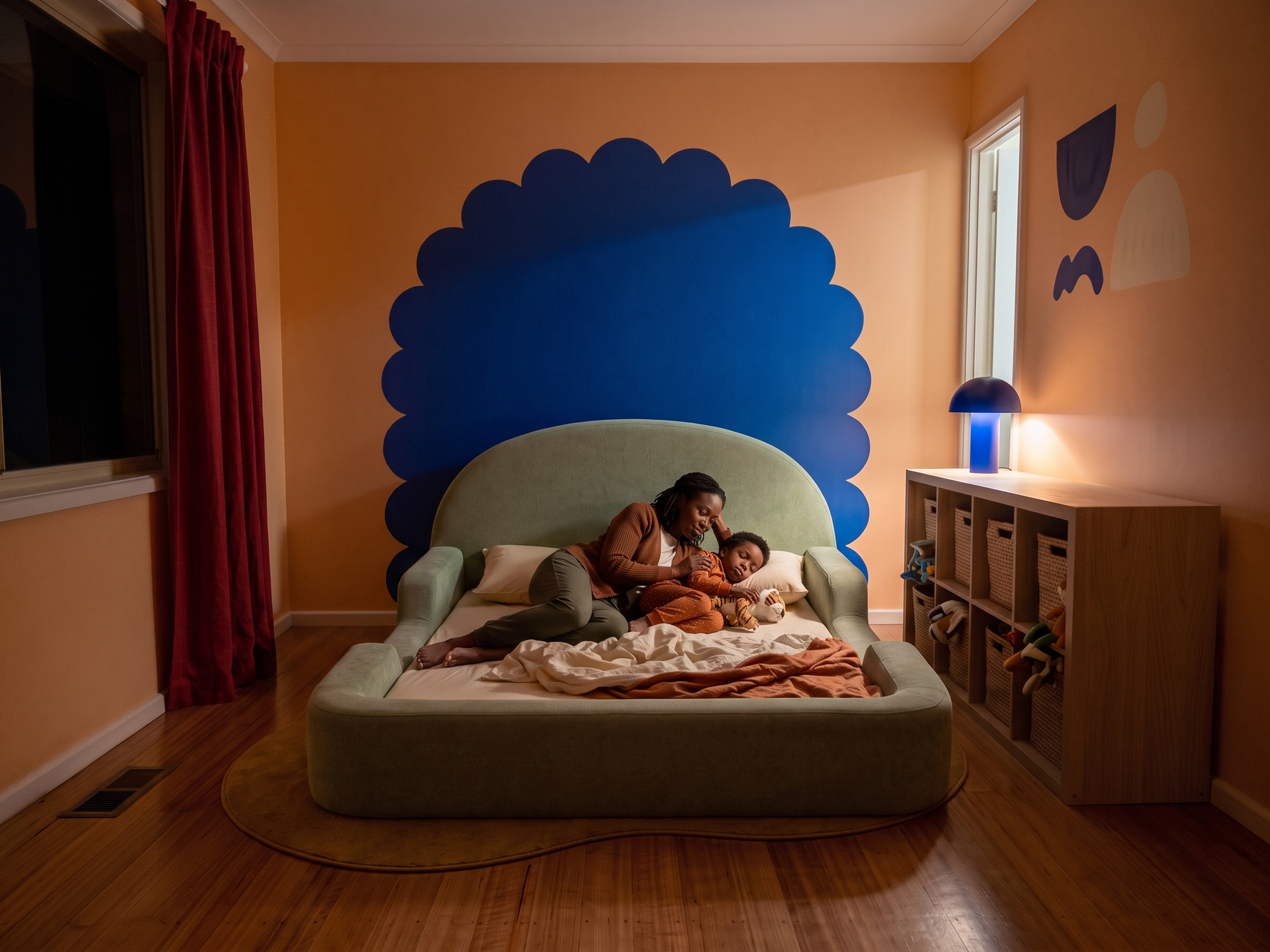
Then I slipped back to my own bed.
Nobody cried. Not even me, which felt like a small miracle.
I lay there for a minute after I got back to my room, waiting for him to call out again. He did not. The house was quiet in that rare way it gets when everyone is actually where they are meant to be.
That was the moment I understood the point of the bigger bed. It was not about rushing him. It was about giving both of us somewhere softer to practice the new routine.
What changed after that
The transition stopped feeling like a battle. It felt more like a new routine.
He knew I could come in if he needed me. I knew I did not have to give up the whole night to be close. That changed the energy around bedtime.
My partner noticed it first. He said, “He knows you’re still there, but he’s not in our bed.” Exactly.
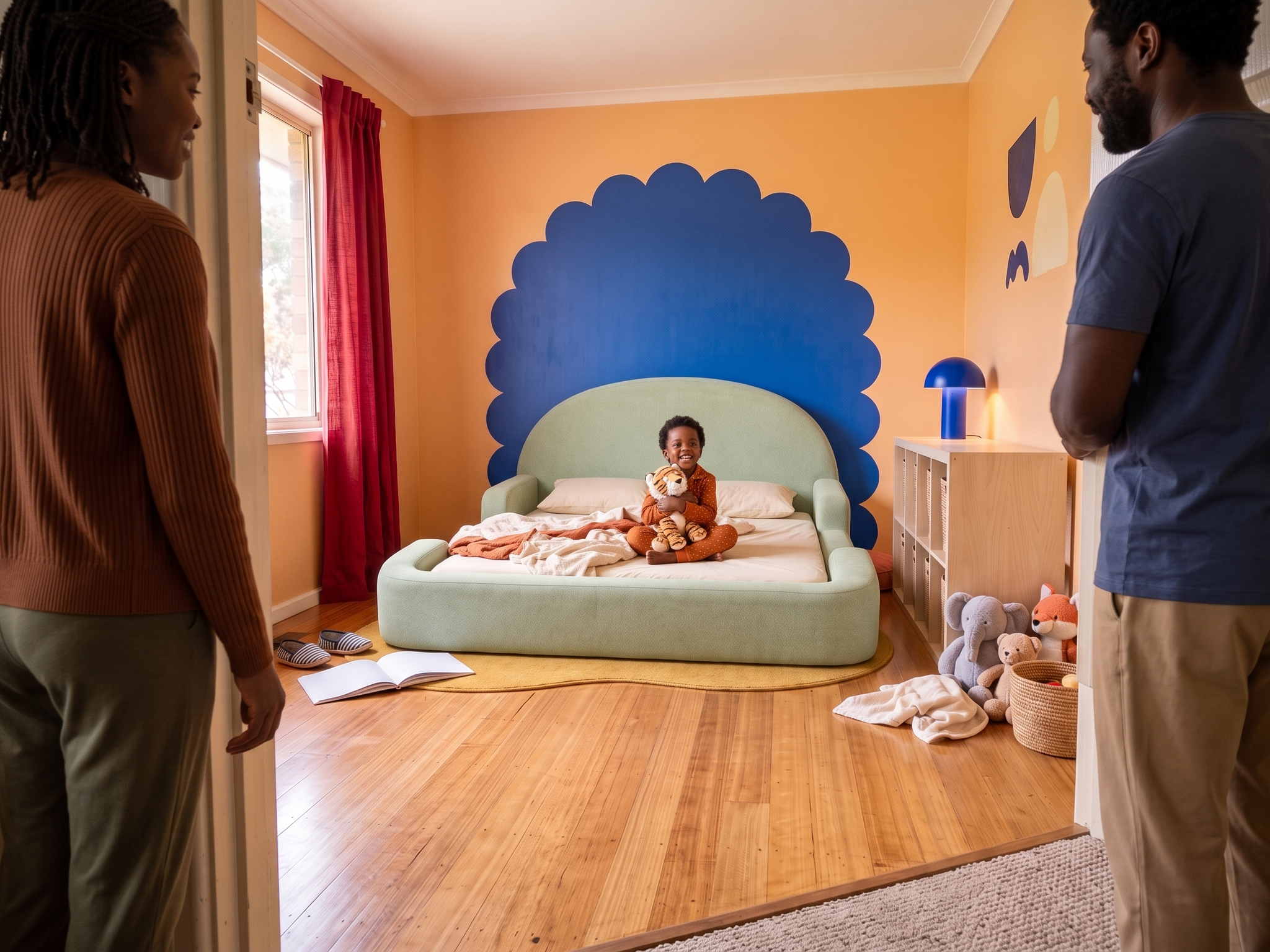
A few weeks in, our room felt like ours again. His room felt like his. And the closeness was still there, just in a better place.
Why it worked for us
- There was room for me. On the hard nights, I could lie beside him properly instead of folding myself beside a tiny bed.
- It felt cozy, not cold. The padded sides made the bed feel like a soft little nook, not a place we were leaving him alone.
- The transition could be gradual. Some nights he needed me for five minutes. Some nights not at all. Both felt okay.
- I was comfortable enough to stay calm. I was not balancing on wood or sitting on the floor. I could breathe, wait, and leave gently.
Should you get it
If co sleeping has been beautiful and exhausting in equal measure, the Little Lifely Bed makes a lot of sense.
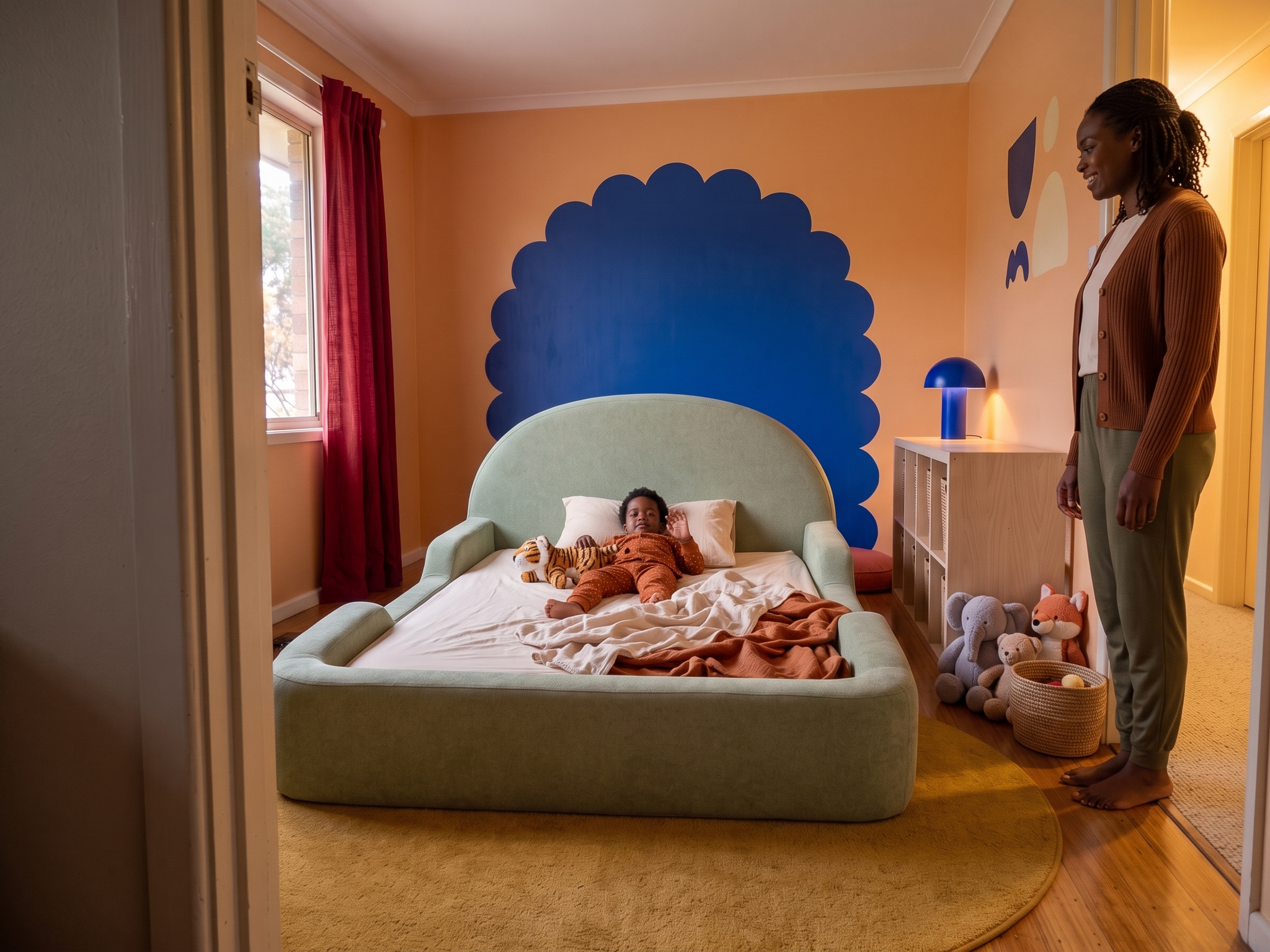
It gives your child their own space without making closeness feel forbidden. You do not have to choose between being there and getting your bed back.
For us, that was the whole point.